Flat Tire? Don’t Panic—Here’s How to Change It
March 14, 2025
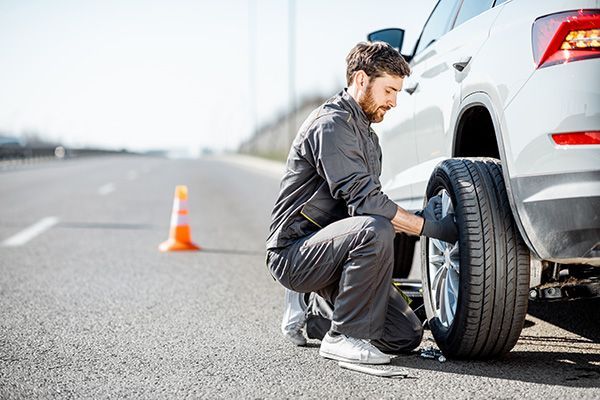
A flat tire can happen anytime, anywhere, and usually at the worst possible moment. Whether you're on your way to work, heading out on a road trip, or just running errands, knowing how to change a flat tire can save you time and frustration. While it may seem intimidating, replacing a flat tire is a straightforward process if you follow the right steps. Here’s everything you need to know to get your car back on the road safely.
What You Need to Change a Flat Tire
Before you attempt to change your tire, make sure you have the right tools in your vehicle. Most cars come with a basic tire-changing kit, but it’s always good to double-check that everything is in place. Here’s what you’ll need:
- A spare tire (make sure it’s properly inflated)
- A jack to lift the car
- A lug wrench to loosen and tighten the lug nuts
- Wheel wedges or a heavy object to prevent the car from rolling
- A flashlight if changing the tire at night
- Gloves and a reflective vest for extra safety
Step-by-Step Guide to Changing a Flat Tire
1. Find a Safe Location
As soon as you realize you have a flat, don’t slam on the brakes. Instead, slow down gradually and look for a safe, level spot to pull over. A parking lot is ideal, but if you’re on the road, aim for a wide shoulder or a straight section away from traffic. Turn on your hazard lights to alert other drivers.
2. Secure the Car and Gather Your Tools
Before getting out of the car, set the parking brake to prevent rolling. If you’re on an incline, place wheel wedges or heavy objects behind the tires to keep the car stable. Then, retrieve your spare tire, jack, and lug wrench from the trunk.
3. Loosen the Lug Nuts
Using the lug wrench, turn each lug nut counterclockwise to loosen them slightly—but don’t remove them just yet. Lug nuts are often tight, so you may need to use your body weight or step on the wrench for extra leverage. Loosening them before lifting the car prevents the wheel from spinning.
4. Jack Up the Car
Position the jack under the designated jack point near the flat tire—this is usually marked in your vehicle’s manual. Slowly raise the car until the flat tire is about six inches off the ground. Never place any part of your body under the car while it’s lifted.
5. Remove the Flat Tire
Now that the car is lifted, fully unscrew the loosened lug nuts and remove the flat tire. Place it flat on the ground to prevent it from rolling away.
6. Install the Spare Tire
Align the spare tire with the wheel bolts and slide it onto the hub. Hand-tighten the lug nuts as much as possible before lowering the car.
7. Lower the Car and Tighten the Lug Nuts
Slowly lower the car back to the ground using the jack. Once the tire touches the ground, use the lug wrench to fully tighten the lug nuts in a star pattern—this ensures even pressure and prevents the wheel from wobbling.
8. Double-Check and Drive Carefully
Make sure all lug nuts are secure before driving. If possible, check the tire pressure of the spare before continuing your journey. Temporary spare tires (or “donuts”) are not meant for long-term use, so get your damaged tire repaired or replaced as soon as possible.
What You Need to Know About Driving on a Spare Tire
Spare tires are not designed for extended use, and driving too far on one can be risky. If your car has a temporary spare, keep these tips in mind:
- Drive at moderate speeds—most spare tires should not exceed 50-55 mph.
- Limit your distance—temporary spares are meant for short-term use, typically no more than 50 miles.
- Avoid harsh braking and sharp turns—spare tires provide less traction and stability than regular tires.
- Replace or repair your flat tire as soon as possible to avoid further issues.
Need Tire Replacement or Repair? Visit Jeff’s Automotive
If you need a repair or a new tire after a flat, it’s best to get it repaired or replaced by our professionals at Jeff’s Automotive . Driving on a damaged or improperly installed tire can lead to serious safety risks. Regular tire maintenance , including checking air pressure and inspecting for wear, can help prevent unexpected flats in the future.
Flat tire? Don’t stress! Stop by Jeff’s Automotive in Easton, PA, for expert tire repair or replacement and get back on the road quickly.