
Why Do Vehicles Need A Timing Belt?


December 30, 2023

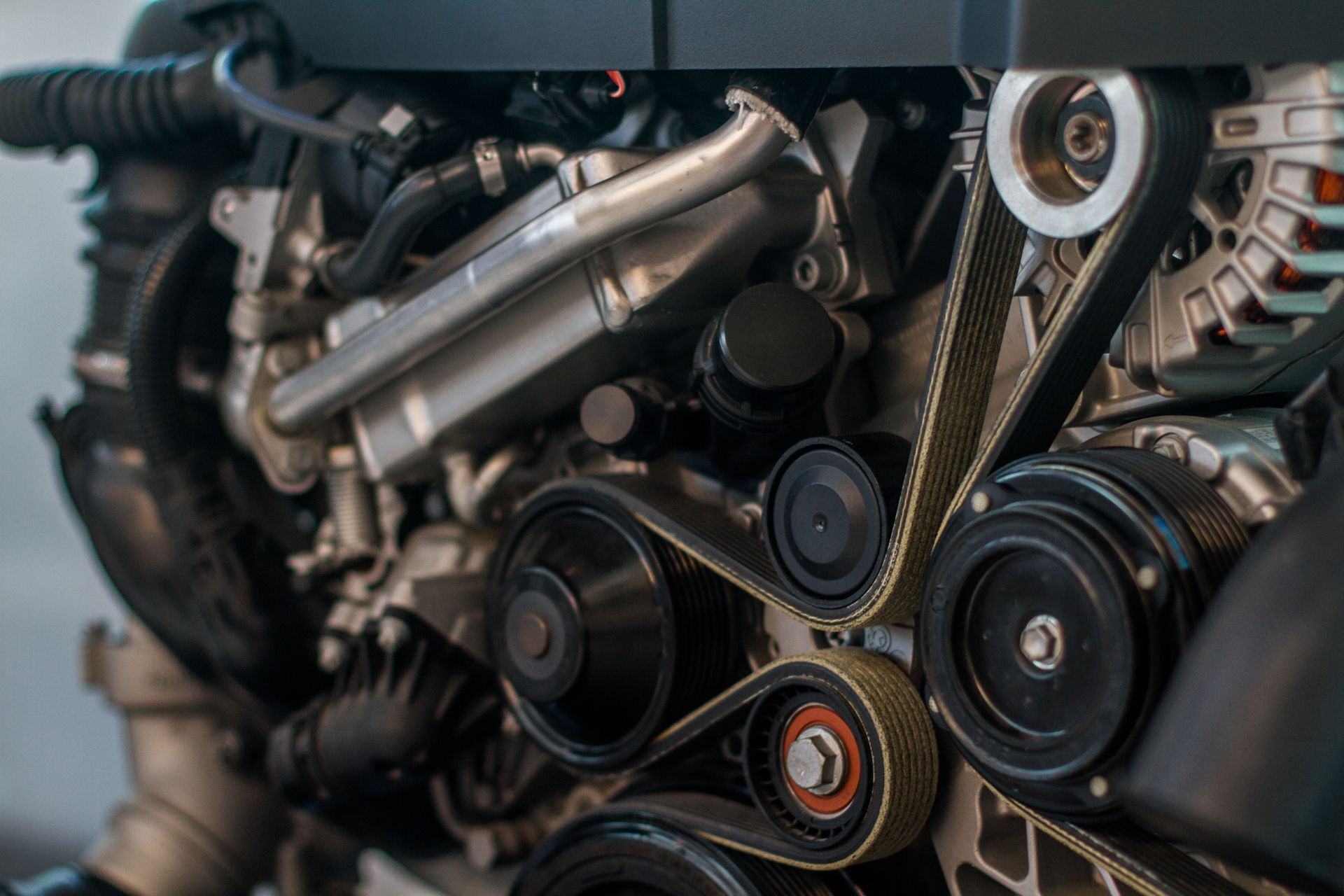
Detailed metallic car engine isolated on a light background | Jeff's Automotive, Inc

When we start our car engine, we usually don't think about all the different parts working together to make it happen. But one really important part is the timing belt.

Timing Belt 101

At its core, the timing belt is a toothed, reinforced loop that synchronizes the rotation of the engine's crankshaft and camshaft - ensuring that each piston and valve executes its move with absolute precision. The absence of this component would plunge the engine into chaos, leading to a cacophony of misfires and potential damage.

The Crankshaft and Camshaft Connection

Understanding the importance of a timing belt begins with recognizing the relationship between the crankshaft and camshaft. The crankshaft converts the linear motion of pistons into rotational motion, while the camshaft controls the opening and closing of valves. The timing belt ensures this duet, regulating the timing of valve openings and closings with the piston's movement.

Timing is Everything - Engine Performance Unveiled

The precision of the timing belt goes beyond timing - it directly impacts engine performance. A well-timed engine optimizes fuel combustion, power generation, and overall efficiency.

When Timing Goes Wrong

Like any well-choreographed performance, timing is crucial. A worn or neglected timing belt can lead to catastrophic consequences. The pistons collide with open valves, resulting in bent valves, damaged pistons, and a costly repair bill. Periodic inspection and timely replacement of the timing belt are akin to preventive healthcare for your engine, ensuring its longevity and reliability.

Signs of a Strained Timing Belt

Listen for unusual sounds emanating from the engine, such as squeaking, ticking, or slapping noises. These can indicate that the timing belt is wearing out or has become misaligned.

Perform a visual inspection of the timing belt. Any signs of wear, such as fraying, cracks, or missing teeth on the belt's surface, are red flags. A healthy timing belt should appear smooth and intact.

If you experience irregular engine performance, such as misfires or a noticeable loss of power, it could be a sign that the timing belt is not synchronizing the engine components correctly. This misalignment can lead to inefficient combustion and reduced power output.

A failing timing belt may cause vibrations or tension issues within the engine. If you feel unusual vibrations while driving or notice a lack of tension when inspecting the belt, it's an indication that the timing belt may be struggling to maintain proper tension.

A deteriorating timing belt cover or seals can result in oil leaks around the engine. If you spot oil accumulating near the timing belt area, it could be a sign that the belt cover is compromised, potentially affecting the timing belt's performance.

When to Replace the Timing Belt

Timing is not just crucial in operation but also in replacement. While there's no one-size-fits-all answer, manufacturers typically recommend replacement between 60,000 to 100,000 miles. However, consulting your vehicle's manual and heeding any warning signs is the compass guiding you to the optimal timing for a belt replacement.


For expert engine services, consider contacting us at Jeff's Automotive , and we will be more than happy to help out!

Assorted automotive oil filters arranged in front of a large circular filter element on a white background | Jeff's Automotive, Inc
June 30, 2026
Filters are easy to forget because they do their work quietly. You do not see them cleaning the air, fuel, or oil while you drive. You only notice them when the car starts smelling musty, losing power, using more fuel, or acting like it has not been serviced in too long.
Rear of silver car with a dangling cable on a blue-lit garage floor | Jeff's Automotive, Inc
June 15, 2026
Pennsylvania state inspections and emissions testing can feel stressful when you are not sure what the shop is looking for. Your car might drive fine around town, start every morning, and still have a problem that keeps it from passing. That is what catches many drivers off guard.
Diagram of a car air conditioner system with labeled compressor, condenser, evaporator, fan, drier, and expansion valve. | Jeff's Automotive, Inc
May 29, 2026
A cold A/C vent feels simple when everything is working. You press a button, set the temperature, and expect cool air to show up. Behind that, the system is moving heat out of the cabin instead of creating cold air from nothing.