How Long Should a Timing Chain Last in Modern Vehicles?


July 11, 2025

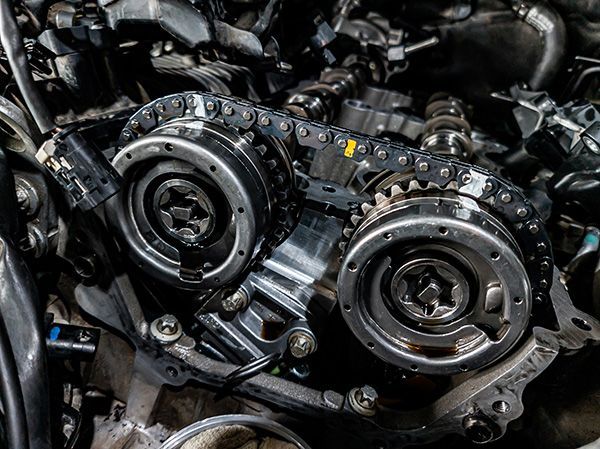
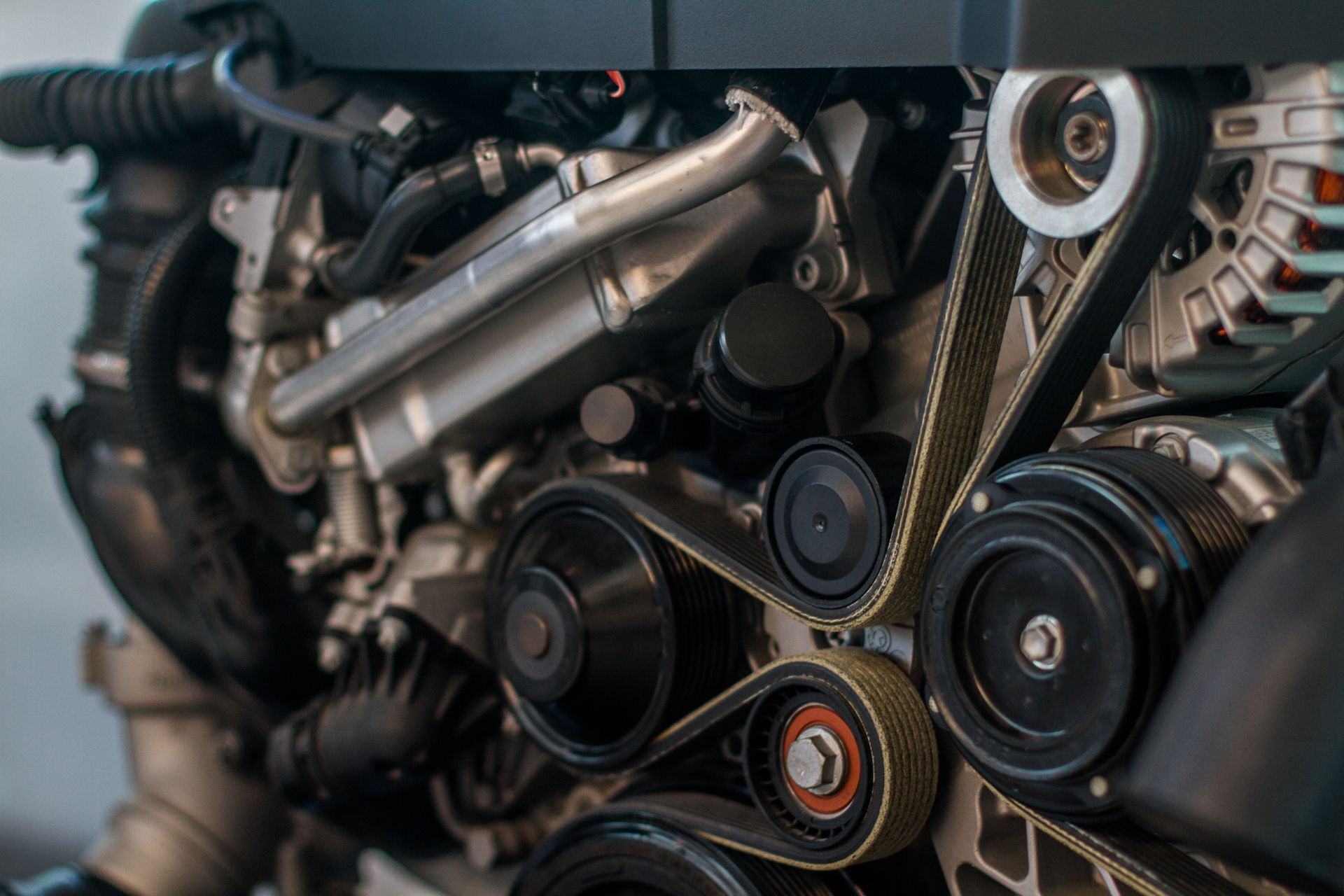
Close-up of industrial metal gears and circular machine parts in a dark mechanical assembly | Jeff's Automotive, Inc

Your engine’s timing chain keeps everything running smoothly. It connects the crankshaft and camshaft, ensuring that the valves open and close at just the right moments during each cylinder’s intake and exhaust strokes. Without proper timing, your engine’s internal components would collide, causing severe damage.

Unlike timing belts, which are made of rubber and typically replaced every 60,000 to 100,000 miles, timing chains are made of metal and designed to last much longer. But just because they’re more durable doesn’t mean they’re invincible.

How Long Does a Timing Chain Last

Most modern timing chains are designed to last the life of the engine. In many cases, they can go over 150,000 to 200,000 miles without issue, especially if the engine has been properly maintained. Some vehicles may never require a timing chain replacement, while others experience issues earlier depending on driving habits, oil change intervals, and engine design.

The longevity of a timing chain is directly linked to oil quality and maintenance. A well-lubricated chain operates quietly and reliably. A poorly maintained one can stretch, wear, or break, leading to major engine damage.

Signs Your Timing Chain Might Be Failing

Even though timing chains last a long time, they do wear out eventually. When they start to fail, your vehicle will often give you warning signs. If you notice any of the following symptoms, it’s time to schedule a diagnostic inspection:

  • Rattling noise from the engine, especially at startup
  • Engine misfires or rough idling
  • Check engine light illuminated
  • Decreased engine performance or power
  • Metal shavings in the oil

One of the earliest and most common signs is a noticeable rattle from the front of the engine. This often indicates a loose or stretched chain or worn tensioner, which can cause the chain to slap against other components.

What Causes Timing Chain Wear

The most common cause of timing chain failure is poor lubrication. Dirty or low engine oil can’t properly lubricate the chain and tensioner, leading to friction and accelerated wear. This is especially problematic in engines that use variable valve timing (VVT), which relies on oil pressure for proper operation.

Other contributing factors include:

  • Infrequent oil changes or using the wrong type of oil
  • Contaminated oil that causes buildup on the chain or guides
  • Aggressive driving that puts extra stress on engine components
  • Factory design flaws in certain engines

Regular oil changes with high-quality oil go a long way in preventing these issues.

What Happens If the Timing Chain Fails?

If your timing chain breaks while the engine is running, the results can be catastrophic, especially in interference engines, which are common in modern vehicles. In these engines, the valves and pistons occupy the same space at different times. A broken chain can cause them to collide, bending valves, damaging pistons, and even cracking the cylinder head.

In a best-case scenario, your engine simply won’t start. In the worst case, you’ll need a full engine rebuild or replacement. That’s why it’s important not to ignore signs of chain trouble and to maintain your engine carefully.

When Should You Replace a Timing Chain

While many timing chains last the life of the engine, some may require replacement between 120,000 and 200,000 miles, especially if symptoms appear. It’s also a good idea to replace the chain proactively if you're already doing major engine work that requires chain access, such as replacing the oil pump or cylinder head.

If you plan to keep your vehicle for the long haul, ask your technician to check the timing chain condition during major service intervals. Preventive replacement is far less expensive than repairing a failed engine.

Protect Your Engine at Jeff’s Automotive, Inc in Easton, PA

Your timing chain may be out of sight, but it shouldn’t be out of mind. Staying on top of engine maintenance and addressing early warning signs is the best way to keep your vehicle running reliably for years to come. Whether you need diagnostics or a full replacement, we’re here to help you protect your investment.

Call Jeff’s Automotive, Inc in Easton, PA, to schedule an engine inspection and make sure your timing chain and your vehicle stay in sync.

Assorted automotive oil filters arranged in front of a large circular filter element on a white background | Jeff's Automotive, Inc
June 30, 2026
Filters are easy to forget because they do their work quietly. You do not see them cleaning the air, fuel, or oil while you drive. You only notice them when the car starts smelling musty, losing power, using more fuel, or acting like it has not been serviced in too long.
Rear of silver car with a dangling cable on a blue-lit garage floor | Jeff's Automotive, Inc
June 15, 2026
Pennsylvania state inspections and emissions testing can feel stressful when you are not sure what the shop is looking for. Your car might drive fine around town, start every morning, and still have a problem that keeps it from passing. That is what catches many drivers off guard.
Diagram of a car air conditioner system with labeled compressor, condenser, evaporator, fan, drier, and expansion valve. | Jeff's Automotive, Inc
May 29, 2026
A cold A/C vent feels simple when everything is working. You press a button, set the temperature, and expect cool air to show up. Behind that, the system is moving heat out of the cabin instead of creating cold air from nothing.