5 Warning Signs You’re Overdue for an Oil Change


July 25, 2025

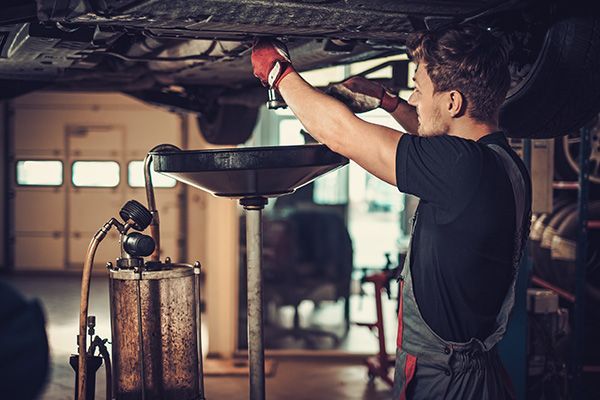
Mechanic working under a car in a garage, using a tool on the vehicle’s underside. | Jeff's Automotive, Inc

Regular oil changes are one of the most important maintenance tasks for keeping your car’s engine healthy and running smoothly. Oil lubricates moving parts, reduces friction, and helps cool the engine. Over time, oil breaks down and becomes contaminated, losing its ability to protect your engine. But how can you tell when it’s time for an oil change? Here are five warning signs that you might be overdue.

1. Engine Noise and Knocking

Fresh oil forms a protective barrier between engine components, preventing metal-on-metal contact. When oil becomes old or too low, it loses its lubricating qualities, and engine parts start rubbing together.

This often leads to increased engine noise or even knocking sounds. If you notice your engine is louder than usual, it might be trying to tell you that the oil isn’t doing its job anymore.

2. Dark, Dirty Oil

New engine oil is amber and somewhat translucent. Over time, it collects dirt, metal particles, and other contaminants, turning dark and gritty.

Checking your oil regularly is a simple habit that can prevent major problems. If the oil on your dipstick looks very dark and dirty, it’s a clear sign that it needs to be changed. Waiting too long allows contaminants to circulate through the engine, accelerating wear.

3. Oil Change or Check Engine Light

Many vehicles have a dedicated oil change light that illuminates when it’s time for service. Some also trigger a check engine light related to oil pressure or quality issues.

Ignoring these warnings can lead to severe engine damage. If a light comes on, don’t delay — have your oil checked and changed as soon as possible.

4. Exhaust Smoke

It’s normal to see a little translucent vapor coming from your tailpipe, especially on cold days. However, if you start seeing blue or dark smoke, it might indicate that oil is burning in the engine.

This can occur if the oil is too old or if there are issues such as worn piston rings or valve seals. In either case, old or low oil levels often contribute to this problem, and an immediate oil check is needed.

5. Declining Fuel Economy

Old or degraded oil can make your engine work harder by increasing friction and reducing efficiency. If you notice you’re making more trips to the gas station without any obvious change in your driving habits, dirty oil might be to blame.

Fresh oil helps your engine run smoothly and can improve overall fuel efficiency, saving you money in the long run.

Why Timely Oil Changes Matter

Changing your oil on schedule doesn’t just prevent engine problems — it also extends your car’s life and maintains performance. Fresh oil keeps internal parts clean, helps dissipate heat, and improves overall reliability.

Neglecting oil changes can lead to severe engine damage, such as warped components or even complete engine failure, which can cost thousands to repair or replace.

How Often Should You Change Your Oil

The right oil change interval depends on your vehicle, the type of oil you use, and your driving conditions. Many newer cars can go 5,000 to 7,500 miles between changes with synthetic oil, while older vehicles or those using conventional oil may require service every 3,000 to 5,000 miles.

Always refer to your owner's manual for the manufacturer’s recommendations. If you do a lot of stop-and-go driving, short trips, or towing, you might need oil changes more frequently.

Don’t Ignore the Signs — Visit Jeff’s Automotive, Inc in Easton, PA

Staying on top of oil changes is one of the simplest and most effective ways to keep your car running reliably. If you’ve noticed any of these warning signs, don’t wait for serious engine damage to occur. At Jeff’s Automotive, Inc in Easton, PA, our experienced technicians can inspect your oil, recommend the right service interval, and perform quick, professional oil changes to protect your engine.

Schedule your service today and keep your vehicle healthy for many miles to come.

Assorted automotive oil filters arranged in front of a large circular filter element on a white background | Jeff's Automotive, Inc
June 30, 2026
Filters are easy to forget because they do their work quietly. You do not see them cleaning the air, fuel, or oil while you drive. You only notice them when the car starts smelling musty, losing power, using more fuel, or acting like it has not been serviced in too long.
Rear of silver car with a dangling cable on a blue-lit garage floor | Jeff's Automotive, Inc
June 15, 2026
Pennsylvania state inspections and emissions testing can feel stressful when you are not sure what the shop is looking for. Your car might drive fine around town, start every morning, and still have a problem that keeps it from passing. That is what catches many drivers off guard.
Diagram of a car air conditioner system with labeled compressor, condenser, evaporator, fan, drier, and expansion valve. | Jeff's Automotive, Inc
May 29, 2026
A cold A/C vent feels simple when everything is working. You press a button, set the temperature, and expect cool air to show up. Behind that, the system is moving heat out of the cabin instead of creating cold air from nothing.