How Often Should You Inspect Your Car's Brakes?
June 26, 2024
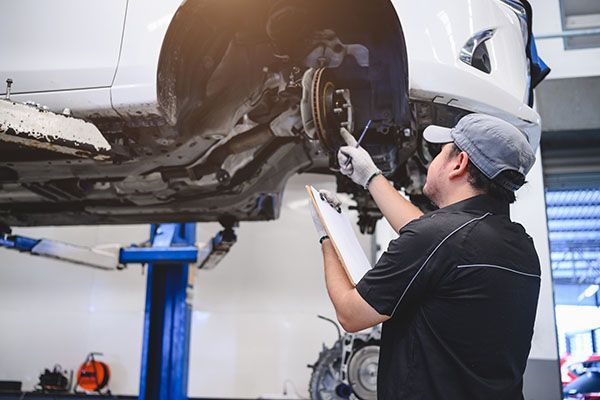
If your brakes aren't in tip-top shape, your journey might turn into a disaster. This is why a thorough brake inspection isn't just important - it's vital. Regular brake inspections can be the difference between a safe drive and a serious accident. But how often should you inspect your car's brakes? Let's break it down.
The Role of Brakes in Your Vehicle's Safety
Brakes are more than just the pedal you push with your foot. They are a critical component of your vehicle's safety system. The brakes convert the kinetic energy of your moving vehicle into heat, effectively bringing you to a halt. Without a solid brake system, all that power and speed could easily turn into a nightmare.
The Consequences of Neglecting Brake Inspections
You might be wondering, "Why bother with a brake inspection? Aren't they just fine as long as they stop the car?" The truth is that neglecting brake inspections can lead to severe consequences. Worn-out brake pads, failing rotors, or leaking brake fluid can compromise your vehicle's stopping power. Imagine the panic of discovering your brakes aren't responding when you need them the most. That's why it's crucial to inspect them regularly, not just for your safety but for the safety of everyone on the road.
Factors Influencing Brake Inspection Frequency
Several factors influence how often you should inspect your car's brakes. These include your driving habits, the type of vehicle you drive, and the conditions in which you drive. Let's explore these factors in detail:
Driving Habits
- Aggressive Driving: Frequent hard braking can cause your brakes to wear out faster. If you have a tendency to drive aggressively or find yourself frequently in stop-and-go traffic, you should inspect your brakes more often.
- City Driving: Stop-and-go traffic puts more strain on your brakes compared to highway driving. For city drivers, more frequent inspections can prevent unexpected failures.
- Long-Distance Driving: Extended periods of braking, such as during long downhill drives, can also accelerate brake wear. More regular inspections are advisable if you often drive in hilly or mountainous areas.
Vehicle Type
- Heavy Vehicles: Trucks and SUVs typically require more frequent brake inspections due to their weight. These vehicles place more demand on the braking system, leading to faster wear and tear.
- Performance Cars: High-performance vehicles have specialized brake systems that need regular checks. The enhanced speed and handling of these cars often necessitate more diligent brake maintenance.
Driving Conditions
- Hilly or Mountainous Areas: Constant braking while going downhill can wear out brakes quickly. For those living in such terrains, inspecting brakes frequently is crucial.
- Weather Conditions: Wet or icy conditions can affect brake performance and lead to faster wear. Regular inspections ensure that your brakes function optimally, regardless of weather.
Recommended Brake Inspection Intervals
While the specific interval for brake inspections can vary, general guidelines can help you maintain optimal brake performance:
- Every 6 Months or 6,000 Miles: For those who drive in severe conditions—like mountainous areas, heavy traffic, or extreme weather—inspecting your brakes every six months or 6,000 miles is a good rule of thumb.
- Every 12 Months or 12,000 Miles: For most drivers, an annual inspection is usually sufficient. This timing aligns well with other routine maintenance, making it convenient to remember.
- During Oil Changes: Many experts recommend checking your brakes during regular oil changes. This habit ensures that your brakes are inspected every few months, providing consistent safety checks.
Signs Your Brakes Need Immediate Attention
While regular inspections are essential, being aware of warning signs can help you address brake issues promptly. Here are some key indicators that your brakes might need immediate attention:
- Squeaking or Squealing: This noise often indicates that your brake pads are worn and need replacement.
- Grinding Sound: A grinding noise usually means the brake pads are completely worn out, and the rotors may be damaged.
- Vibration or Pulsation: If you feel a vibration when braking, your rotors might be warped.
- Increased Stopping Distance: If your car takes longer to stop than usual, it's a sign that your brakes are not working effectively.
- Brake Warning Light: Never ignore the brake warning light on your dashboard—it's a clear sign that something is wrong.
Benefits of Regular Brake Inspections
Regular brake inspections offer numerous benefits that go beyond just safety. Here's why you should prioritize them:
- Enhanced Safety: Ensuring your brakes are in good condition significantly reduces the risk of accidents.
- Cost Savings: Early detection of issues can prevent costly repairs down the road.
- Extended Brake Life: Regular maintenance can prolong the lifespan of your brake components, saving you money in the long term.
- Better Performance: Well-maintained brakes ensure a smoother and more reliable driving experience.
Keep your brakes in top condition! Book your brake inspection appointment with Jeff's Automotive now for peace of mind on every drive