Why You Should Avoid Driving with Low Fuel Levels


January 31, 2025

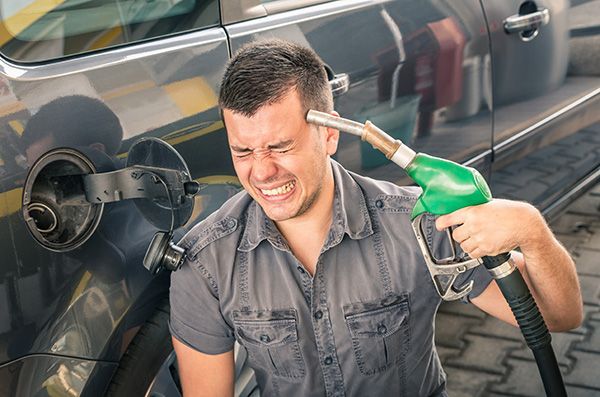
Man grimacing while refueling a black car with a green gas nozzle | Jeff's Automotive, Inc

It’s easy to ignore the fuel warning light when you’re focused on getting to your destination. Maybe you’re trying to save time or thinking about stretching your budget a little further. But driving with low fuel levels is more than just a minor gamble—it can lead to costly damage and a range of unnecessary headaches. We'll explain why keeping your gas tank adequately filled is one of the simplest yet most effective ways to protect your car and wallet.

How Your Fuel System Works

Your car’s fuel system is more complex than many people realize. At the heart of it lies the fuel pump, which pulls gas from the tank and sends it to the engine. For this pump to function properly, it relies on a steady supply of fuel not only to operate but also to stay cool.

When your tank is nearly empty, the pump has to work harder to deliver what little gas is left. This extra effort generates heat and increases wear and tear, which can eventually lead to pump failure. Replacing a fuel pump can be both time-consuming and expensive, turning a small oversight into a significant repair bill.

Why Sediment in the Tank is a Problem

Over time, dirt and debris naturally settle at the bottom of your gas tank. Normally, this sediment remains undisturbed, but when you drive with low fuel, the pump is forced to pull from the bottom of the tank. This increases the likelihood of clogging your fuel filter and contaminating the injectors.

Dirty fuel injectors can cause poor engine performance, such as reduced acceleration, uneven idling, or even stalling. Worse yet, if these particles make their way into the engine, they can cause damage that’s far more expensive to fix than a simple refueling stop.

Fuel’s Role in Cooling and Lubrication

Gasoline isn’t just fuel; it also acts as a coolant for the fuel pump. When there’s less fuel in the tank, the pump can overheat, increasing the risk of failure. Furthermore, the pump relies on a certain amount of fuel for lubrication. Running low on gas deprives it of this essential function, creating excessive friction and shortening its lifespan.

It’s not just the pump that suffers—your entire fuel system can experience strain from the heat and friction caused by operating on fumes. Over time, these effects can lead to more frequent repairs and reduced efficiency.

Running Out of Fuel Entirely

Driving on empty isn’t just bad for your car—it’s also risky for you as a driver. Running out of fuel can leave you stranded in inconvenient or even dangerous locations, such as a busy freeway or a poorly lit back road.

On top of that, letting your car stall due to an empty tank can damage components like the catalytic converter. Restarting a car that’s run out of fuel isn’t always straightforward; sometimes, the pump needs to be primed again, and air bubbles can disrupt the fuel flow.

Practical Tips to Avoid Low Fuel Damage

Maintaining a habit of refueling when your tank hits a quarter full can save you a lot of trouble. Not only does this practice protect your vehicle’s fuel system, but it also reduces the chances of finding yourself in an emergency without gas.

If you’re someone who’s always watching their budget, keeping an eye on gas prices and filling up when rates are lower can make a difference. Proper planning for road trips or long commutes can also help you avoid pushing your car to its limits unnecessarily.

The Long-Term Benefits of a Full Tank

Regularly refilling your gas tank doesn’t just prevent wear and tear—it also keeps your car running at its best. A healthy fuel system translates to better fuel efficiency, consistent engine performance, and peace of mind, knowing you’re not risking costly repairs.

It’s also worth noting that maintaining adequate fuel levels ensures you’re always prepared for unexpected situations, like sudden detours or traffic jams. You don’t want to be the person anxiously watching the fuel gauge while stuck in a backup.


Don’t let low fuel habits cause costly damage! Visit Jeff's Automotive in Easton, PA, for expert fuel system maintenance and inspections. Call us today to schedule an appointment.

Assorted automotive oil filters arranged in front of a large circular filter element on a white background | Jeff's Automotive, Inc
June 30, 2026
Filters are easy to forget because they do their work quietly. You do not see them cleaning the air, fuel, or oil while you drive. You only notice them when the car starts smelling musty, losing power, using more fuel, or acting like it has not been serviced in too long.
Rear of silver car with a dangling cable on a blue-lit garage floor | Jeff's Automotive, Inc
June 15, 2026
Pennsylvania state inspections and emissions testing can feel stressful when you are not sure what the shop is looking for. Your car might drive fine around town, start every morning, and still have a problem that keeps it from passing. That is what catches many drivers off guard.
Diagram of a car air conditioner system with labeled compressor, condenser, evaporator, fan, drier, and expansion valve. | Jeff's Automotive, Inc
May 29, 2026
A cold A/C vent feels simple when everything is working. You press a button, set the temperature, and expect cool air to show up. Behind that, the system is moving heat out of the cabin instead of creating cold air from nothing.