How Do I Know If I Need New Brake Pads or Rotors?


August 29, 2025

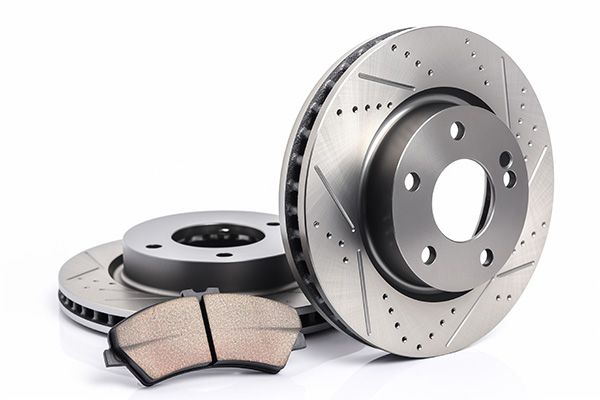
Car brake rotors and pads on a white background | Jeff's Automotive, Inc

Your brakes are the most important safety system in your vehicle. They allow you to slow down and stop when you need to, helping you avoid accidents and maintain control. Over time, brake components such as pads and rotors wear down and require replacement. But how do you know when it is time to replace them?

Knowing the warning signs and the differences between brake pads and rotors will help you decide when to schedule service and avoid costly repairs.

The Role of Brake Pads and Rotors

Brake pads are the friction material that presses against the rotors to slow your vehicle. Rotors are the large metal discs attached to each wheel. When you step on the brake pedal, the pads clamp onto the rotors, creating friction that slows the wheels.

Both parts wear down over time—pads gradually lose their thickness, while rotors can become worn, warped, or grooved from constant contact.

Signs Your Brake Pads Need Replacement

Most brake pads are designed to give you warning signs when they are worn. Here are some of the most common indicators:

  • Squealing or squeaking noise: Many pads have built-in wear indicators that create a high-pitched squeal when the pad material is nearly worn out.
  • Reduced braking performance: If your car takes longer to stop, the pads may be too thin to provide adequate friction.
  • Vibration when braking: In some cases, worn pads can cause uneven braking, leading to a pulsating pedal.

If you hear grinding when you brake, it means the pad material is completely worn down and the metal backing is contacting the rotor. This not only reduces braking power but can also damage the rotors.

Signs Your Rotors May Need Attention

While rotors typically last longer than pads, they still wear out or become damaged. Signs that your rotors may need resurfacing or replacement include:

Pulsation or vibration during braking: This often indicates warped rotors, which can occur from excessive heat.
Visible grooves or scoring: Deep lines on the rotor surface mean the pads have worn into the metal.
Increased stopping distance: Damaged or worn rotors can reduce braking efficiency.

Rotors can sometimes be resurfaced if the damage is minor, but if they are too thin or severely worn, replacement is the safest option.

How Often Should Pads and Rotors Be Replaced

Brake pad life varies based on driving habits, vehicle type, and pad material. In general, pads last between 25,000 and 70,000 miles. City driving with frequent stops wears them faster than highway driving.

Rotors can last longer (50,000 miles or more) but may need replacement sooner if they become warped or damaged. Your mechanic can measure rotor thickness during an inspection to determine if they are still within safe limits.

Preventing Premature Wear

You can extend the life of your pads and rotors with good driving habits. Avoid riding the brakes, especially on long downhill stretches. Give yourself plenty of space to slow down gradually instead of braking hard at the last moment.

Why Prompt Service Matters

Driving with worn-out pads or damaged rotors reduces your stopping power and increases your risk of an accident. Ignoring these issues can also cause more expensive repairs. For example, letting pads wear down to metal can destroy rotors, forcing you to replace both.

Prompt replacement keeps your braking system performing safely and prevents damage to other components.

Brake Service at Jeff’s Automotive, Inc in Easton, PA

If you suspect your pads or rotors are worn, Jeff’s Automotive, Inc in Easton, PA can help. Our technicians will inspect your entire braking system, measure pad thickness, check rotor condition, and recommend the right service for your needs.

Schedule your brake inspection today and make sure your vehicle stops safely every time.

Assorted automotive oil filters arranged in front of a large circular filter element on a white background | Jeff's Automotive, Inc
June 30, 2026
Filters are easy to forget because they do their work quietly. You do not see them cleaning the air, fuel, or oil while you drive. You only notice them when the car starts smelling musty, losing power, using more fuel, or acting like it has not been serviced in too long.
Rear of silver car with a dangling cable on a blue-lit garage floor | Jeff's Automotive, Inc
June 15, 2026
Pennsylvania state inspections and emissions testing can feel stressful when you are not sure what the shop is looking for. Your car might drive fine around town, start every morning, and still have a problem that keeps it from passing. That is what catches many drivers off guard.
Diagram of a car air conditioner system with labeled compressor, condenser, evaporator, fan, drier, and expansion valve. | Jeff's Automotive, Inc
May 29, 2026
A cold A/C vent feels simple when everything is working. You press a button, set the temperature, and expect cool air to show up. Behind that, the system is moving heat out of the cabin instead of creating cold air from nothing.