5 Most Common Reasons Cars Fail Emissions Testing and What to Do Next
February 27, 2026
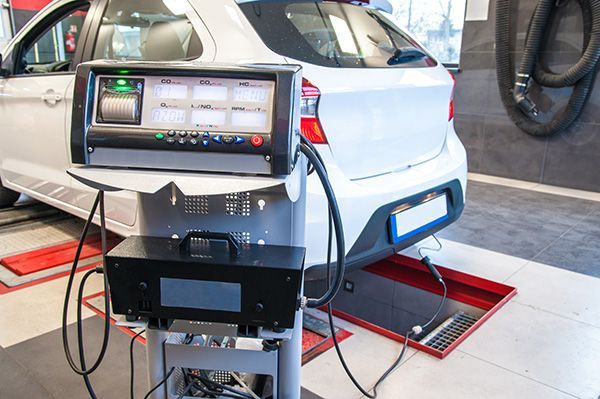
Failing an emissions test can feel pointless when the car drives fine. You pull in expecting a quick pass, and instead, you leave with a fail sheet, a check engine light, and a list of codes that look like a foreign language. The frustrating part is that many emissions problems do not change how the car feels behind the wheel.
The good news is that most failures stem from a small set of issues, and once you know what caused the failure, the next step is usually clear.
How Emissions Testing Actually Works
Most states are not measuring tailpipe smoke the way older tests did. Modern emissions testing is usually based on the vehicle’s onboard computer. The system checks two things: whether the check engine light is commanded on, and whether the emissions monitors are ready. Those monitors are self-tests that the computer runs during normal driving.
If the check engine light is on, you often fail automatically. If too many monitors are not ready, you can also fail, even if the light is off. This is why clearing codes right before a test usually backfires. The light might go away, but the monitors reset and the vehicle shows up as not ready.
At Jeff's Automotive, Inc , we handle PA State and Emissions Inspection testing , along with emissions repairs, so we see these patterns constantly.
1. EVAP System Leaks And Loose Gas Caps
The EVAP system traps fuel vapors and returns them to the engine to be burned rather than venting them into the air. A loose gas cap, a worn cap seal, or a small crack in an EVAP hose can trigger a fault. Many drivers feel nothing at all, which makes it one of the most common reasons for a surprise fail.
EVAP codes can also be intermittent. You tighten the cap, the light disappears, and then it returns a week later. If the cap is old or the seal is hard, replacing it is often a smart first move, but it is not the only possible leak point.
2. Oxygen Sensor And Fuel Trim Problems
Oxygen sensors help the engine computer adjust fuel mixture. When a sensor gets slow or biased, the computer can start adding or subtracting fuel incorrectly. That affects emissions even if the car still feels smooth.
Sometimes the first driver-facing symptom is slightly worse fuel economy. Other times, there are no symptoms at all. Fuel trim issues can also come from small vacuum leaks, airflow sensor problems, or exhaust leaks near the sensor. These problems are often subtle, but the computer is sensitive and will flag them.
3. Catalytic Converter Efficiency Codes
The catalytic converter cleans up emissions after combustion. When it is not performing efficiently, the computer compares readings from sensors before and after the converter and sets an efficiency code.
This is where a lot of people get burned financially. A converter is expensive, and the converter is not always the root cause. Misfires, oil burning, and rich fuel mixtures can damage a converter over time. If you replace the converter without addressing what caused the stress, the new one can end up in the same situation.
A proper approach is to confirm whether the converter is truly failing and whether there is an upstream issue that needs to be handled first.
4. Misfires, Worn Spark Plugs, And Ignition Issues
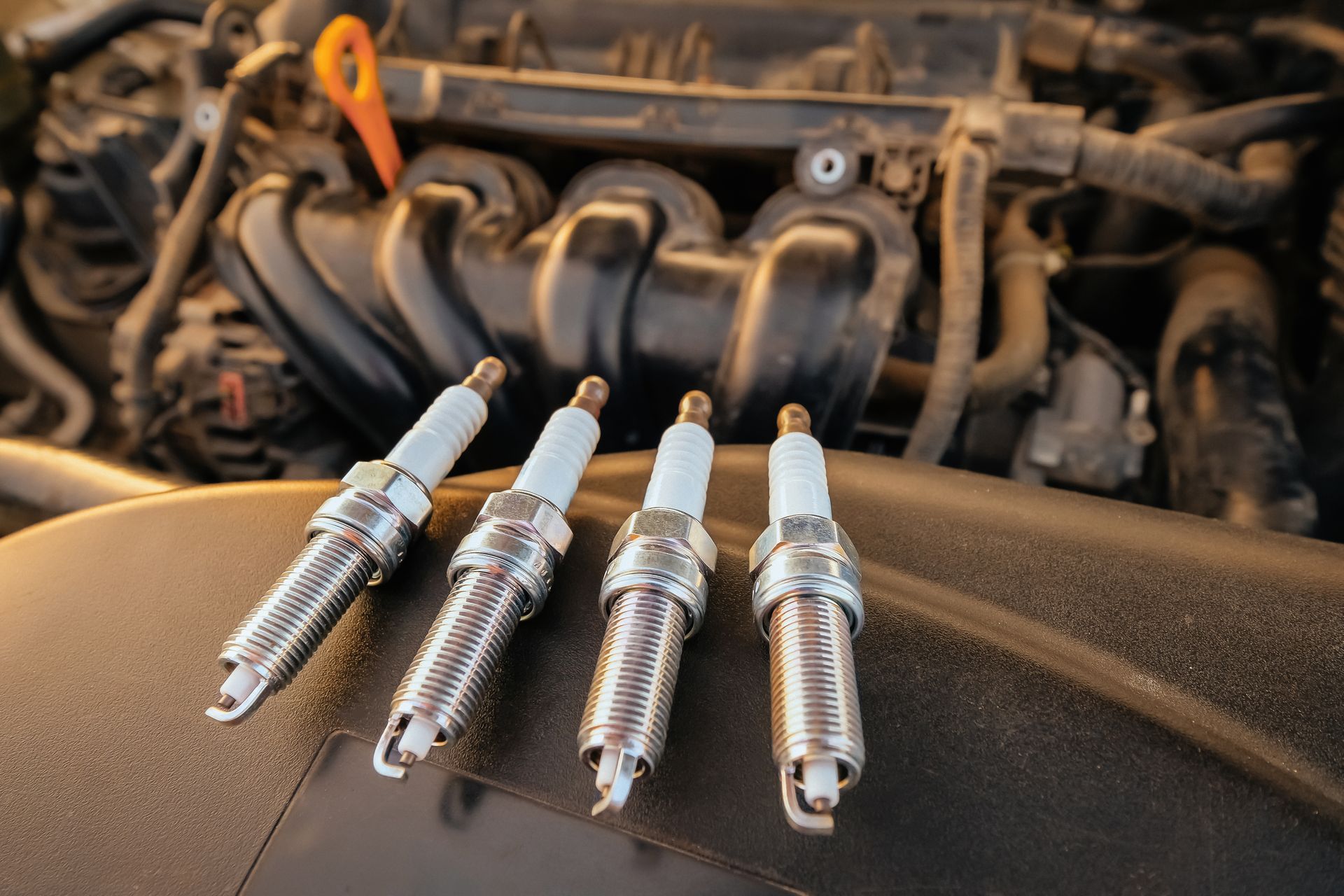
A misfire sends unburned fuel into the exhaust. That quickly increases emissions and can overheat the catalytic converter. Spark plugs that are overdue, weak ignition coils, or fuel delivery problems can all trigger misfire faults.
Some misfires are easy to feel. Others only happen under load, like climbing a hill or accelerating onto a highway. That is why drivers sometimes say the car is fine but still fail. If the check engine light ever flashes, treat it seriously. Even if it stops flashing, the event can leave codes that cause a failure later.
Keeping plugs and ignition components on schedule is one of the simplest ways to avoid this kind of emissions trouble.
5. EGR, Secondary Air, And Other Emissions Subsystems
Not every failure is EVAP and oxygen sensors. Many vehicles use EGR systems to reduce NOx emissions by lowering combustion temperature. Others use secondary air injection on cold starts. When these systems stick, clog, or lose vacuum or electronic control, the vehicle can fail even if it drives normally.
These issues often appear as specific codes and readiness issues. The fix depends heavily on the system design, which is why replacing random valves or solenoids can get expensive fast without a clear confirmation.
Why The Car Can Feel Fine And Still Fail
Emissions failures are often about small efficiency losses. The engine can still run well enough to feel normal, but the computer sees a value outside the allowed range. That is especially true for EVAP leaks, oxygen sensor performance, and early converter efficiency problems.
This is also why it helps to deal with the issue before test day. When a fault is handled early, you avoid the rush, the re-test pressure, and the temptation to clear codes just to get through the inspection lane.
What To Do Next After A Failed Emissions Test
Start with the failure sheet. It shows whether you failed due to a stored code, a check engine light, or a monitor readiness issue. Ask which codes were present and which monitors were not ready.
If the check engine light is on, that is the first priority. If monitors are not ready, you will need a proper drive cycle after repairs. That means a cold start followed by a mix of city and highway driving with steady speeds. It can take a few days of normal driving for monitors to complete, depending on the vehicle.
Avoid clearing codes again unless you are actively repairing the cause. Clearing resets progress and usually delays your ability to pass.
How We Approach Emissions Repairs Without Guessing
The smartest path is narrowing the issue to what actually caused the failure. We look at the stored fault information, how often it occurs, and what conditions trigger it. Then we confirm the supporting pieces around it, because a code point points to a system, not always to a single exact part.
Once we confirm the cause, we recommend the repair that makes the most sense. That keeps costs under control and avoids replacing parts that were never the problem.
Get Emissions Testing and Repairs in Easton, PA with Jeff's Automotive, Inc
We can review your fail report, identify what is triggering the emissions failure, and handle the repairs needed to get your vehicle ready for a clean pass at Jeff's Automotive, Inc.
Schedule your PA State and Emissions Inspection with Jeff's Automotive, Inc in Easton, PA, and we’ll guide you through the next steps in plain language.
You will leave with a clear path to passing, not a stack of confusing codes.