Posted on 6/15/2026
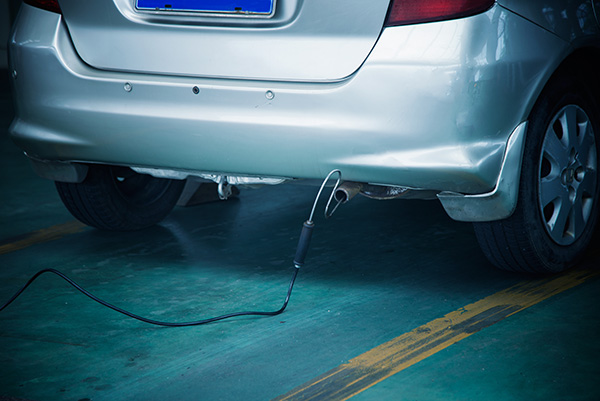
Pennsylvania state inspections and emissions testing can feel stressful when you are not sure what the shop is looking for. Your car might drive fine around town, start every morning, and still have a problem that keeps it from passing. That is what catches many drivers off guard. The purpose of these checks is not to make life harder for drivers. They are meant to catch safety and emissions problems before they become bigger issues on the road. If you know the most common failure points, you have a better chance of handling them before inspection time becomes a headache. Worn Tires Or Uneven Tread Wear Tires are one of the first things that can cause a vehicle to fail. If the tread is too low, the tires are damaged, or the wear pattern is uneven enough to raise concern, the car may not pass. Cracks, exposed cords, sidewall bubbles, or mismatched tire conditions can also be a problem. Uneven tire wear usually points to something else going on as well. Alignment pro ... read more
Posted on 5/29/2026
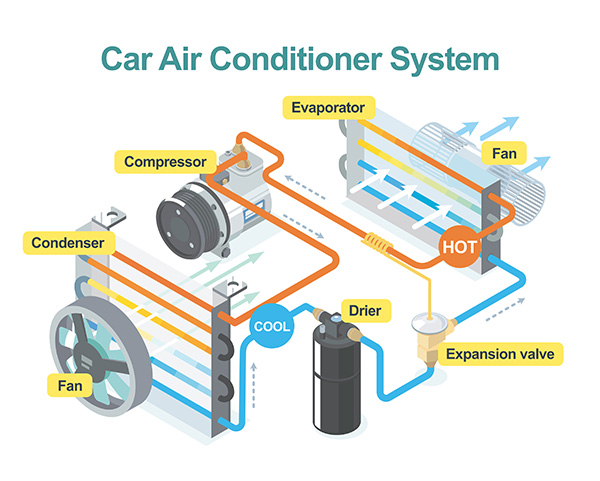
A cold A/C vent feels simple when everything is working. You press a button, set the temperature, and expect cool air to show up. Behind that, the system is moving heat out of the cabin instead of creating cold air from nothing. That is the part many drivers never hear explained. Your car’s A/C system is really a heat-transfer system, and every main part has to do its job for the air at the vents to feel right. Why Car A/C Feels Cold In The Cabin Your A/C does not make cold air the way a heater makes warm air. It removes heat from the cabin air and sends it outside the vehicle. Once enough heat is removed, the air blowing from the vents feels cold. That process depends on refrigerant, pressure changes, airflow, and several mechanical parts working together. If one part of the system weakens, becomes restricted, or runs low on refrigerant, the whole system can lose cooling power quickly. The Refrigerant Carries Heat Refrigerant is the fluid ... read more
Posted on 5/15/2026
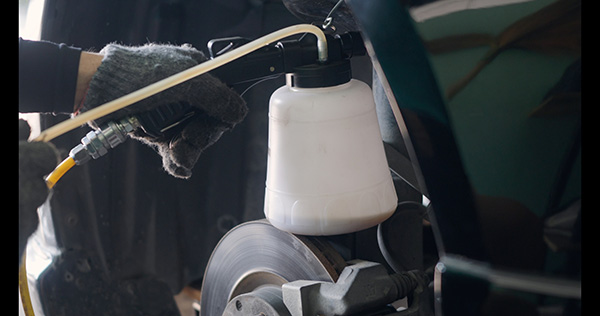
Brake fluid is easy to forget because drivers rarely see it. You do not top it off like fuel, and it is not checked as casually as tire pressure, and it usually sits quietly in the reservoir while the brakes feel normal. That is exactly why old brake fluid can stay in service longer than it should. The brake system depends on clean fluid every time you press the pedal. Once that fluid gets contaminated or weak, braking can feel different, and the system can lose some of the protection it was designed to have. What Brake Fluid Actually Does Brake fluid is the hydraulic fluid that transfers force from your foot to the brakes at the wheels. When you press the brake pedal, the master cylinder pushes fluid through the brake lines and hoses. That pressure helps the calipers or wheel cylinders apply the brakes. The fluid has to evenly distribute pressure and withstand high heat. Brakes generate heat whenever the vehicle slows down, especially in traffic, on hills, or duri ... read more
Posted on 4/29/2026
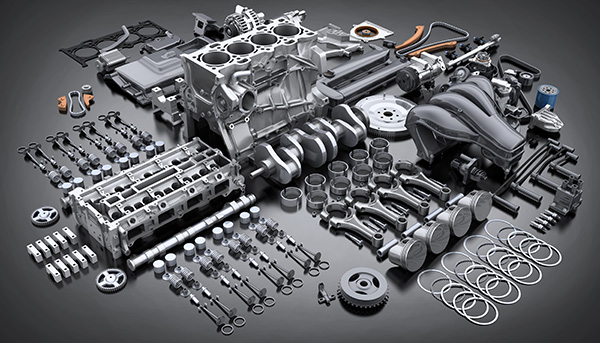
Engine problems do not all look the same, and neither do the solutions. Some issues can be fixed quickly. Others point to deeper internal wear that needs more than a simple repair. That is where drivers get stuck trying to decide what makes the most sense. The right choice depends on how far the damage has gone, how the vehicle is used, and whether it is worth investing in the engine long term. What Counts As A Basic Engine Repair An engine repair usually targets one specific problem. That could be a failed sensor, a leaking gasket, a worn ignition component, or a cooling system issue affecting engine performance. These repairs are typically the least expensive and least invasive option. The rest of the engine remains intact, and only the faulty part is addressed. If the engine is otherwise in good condition, this is usually the be ... read more
Posted on 4/15/2026

Car maintenance gets confusing faster than it should. Drivers hear one thing from a friend, something different online, and then a third version when they bring the car in. The result is usually the same. Service gets delayed because the answer never feels fully clear. Most questions are more common than people think. Here are ten that come up all the time, along with the kind of answers that actually help drivers make better decisions. 1. How Often Should I Change My Oil? That depends on the vehicle, the oil being used, and how the car is driven. Some engines can go longer than others, but that does not mean every driver should stretch the interval. Short trips, stop-and-go driving, heat, and heavy use all accelerate oil wear. The safest answer is to follow the factory schedule and adjust when driving conditions are more challenging than usual. Waiting too long is when oil service stops being basic upkeep and becomes engine wear. 2. Do I Really Need To Ro ... read more