Posted on 2/27/2026
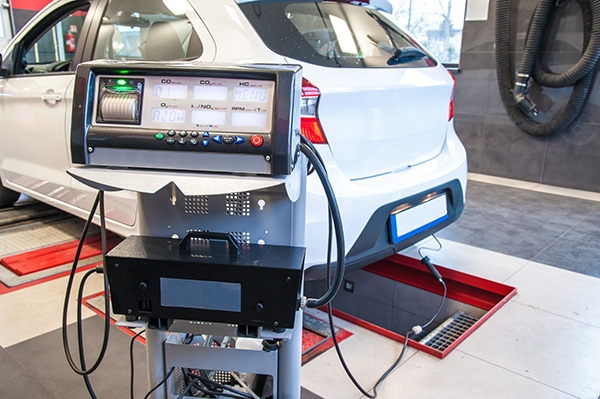
Failing an emissions test can feel pointless when the car drives fine. You pull in expecting a quick pass, and instead, you leave with a fail sheet, a check engine light, and a list of codes that look like a foreign language. The frustrating part is that many emissions problems do not change how the car feels behind the wheel. The good news is that most failures stem from a small set of issues, and once you know what caused the failure, the next step is usually clear. How Emissions Testing Actually Works Most states are not measuring tailpipe smoke the way older tests did. Modern emissions testing is usually based on the vehicle’s onboard computer. The system checks two things: whether the check engine light is commanded on, and whether the emissions monitors are ready. Those monitors are self-tests that the computer runs during normal driving. If the check engine light is on, you often fail automatically. If too many monitors are not ready, you can also fail ... read more
Posted on 2/13/2026

Oil labels can make the decision feel bigger than it needs to be. You walk in for an oil change, and suddenly you are choosing between conventional and synthetic, with a price gap that makes you wonder if one is truly necessary. The confusing part is that both options can protect your engine when they are used correctly. The real difference is how the oil is built, how stable it stays, and how it holds up in your specific driving conditions. What Conventional And Synthetic Oil Really Are Conventional oil is refined from crude oil, then blended with additives that help it clean, protect, and resist wear. It is a proven product, and for many engines it works well when the change interval is kept reasonable. Synthetic oil starts with a more engineered base stock, which means its molecules are more consistent and predictable. That consistency matters because your engine does not see one steady temperature all day. It has cold starts, heat soaks after shutdown, long hig ... read more