Brake fluid is easy to forget because drivers rarely see it. You do not top it off like fuel, and it is not checked as casually as tire pressure, and it usually sits quietly in the reservoir while the brakes feel normal. That is exactly why old brake fluid can stay in service longer than it should.
The brake system depends on clean fluid every time you press the pedal. Once that fluid gets contaminated or weak, braking can feel different, and the system can lose some of the protection it was designed to have.
What Brake Fluid Actually Does
Brake fluid is the hydraulic fluid that transfers force from your foot to the brakes at the wheels. When you press the brake pedal, the master cylinder pushes fluid through the brake lines and hoses. That pressure helps the calipers or wheel cylinders apply the brakes.
The fluid has to evenly distribute pressure and withstand high heat. Brakes generate heat whenever the vehicle slows down, especially in traffic, on hills, or during hard stops. If the fluid cannot handle that heat, the pedal can start feeling soft or less dependable than it should.
Why Brake Fluid Gets Old
Brake fluid does not stay fresh forever. Most types are hygroscopic, which means they absorb moisture over time. That moisture can enter through normal system breathing, aging rubber parts, and repeated heat cycles.
Once moisture gets into the fluid, the boiling point drops. That is a problem because brake systems get hot during normal driving. Moisture can also contribute to corrosion inside metal brake lines, calipers, wheel cylinders, and the master cylinder. The fluid may still look okay in the reservoir at a glance, but that does not mean it is still protecting the system well.
How Old Brake Fluid Affects Braking
Old brake fluid can change how the brake pedal feels. Some drivers notice a softer pedal, a pedal that sinks more than it used to, or braking that feels less firm after repeated stops. In more severe cases, heat can cause moisture in the fluid to boil, creating vapor that does not transmit pressure as liquid does.
That is when braking can feel scary fast. The pedal may feel spongy, or the car may need more distance to stop. Even before it reaches that point, contaminated fluid can cause long-term wear in the brake system. Regular maintenance helps prevent that slow damage from building in the background.
When Brake Fluid Should Be Changed
The right brake fluid interval depends on the vehicle, the fluid type, and the way the car is driven. Many vehicles need brake fluid service every 2 to 3 years, but the owner’s manual is always the best starting point. Some manufacturers give a specific time interval, while others recommend testing the fluid condition.
Driving habits can shorten that timeline. Stop-and-go traffic, mountain driving, towing, heavy loads, performance driving, and humid climates all put more stress on the brake system. Even a vehicle that is not driven much can need brake fluid service because moisture contamination accumulates over time, not just mileage.
Signs Your Brake Fluid Needs Attention
Brake fluid problems are not always loud. The brakes may still work, but the system can start giving small hints that the fluid or another brake component needs to be checked.
Watch for signs like these:
- A brake pedal that feels soft or spongy
- Brake fluid that looks dark or dirty
- A brake warning light on the dashboard
- Longer stopping distance than normal.
- Fluid that tests high for moisture
Those signs do not always mean the fluid alone is the problem. Worn pads, a leak, air in the system, or a failing hydraulic part can create similar symptoms. That is why an inspection is important before assuming the fix is only a fluid exchange.
Why Topping Off Brake Fluid Is Not Enough
Low brake fluid should never be treated as a simple top-off-and-move-on situation. Brake fluid can drop as brake pads wear, but it can also drop because of a leak. If the level is low, the cause must be identified before more fluid is added, or the warning will be ignored.
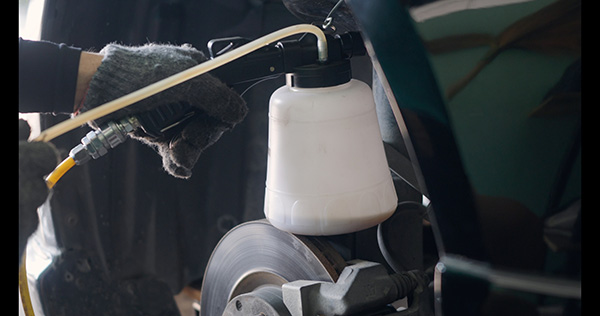
Old fluid also cannot be refreshed by adding a small amount of new fluid to the reservoir. Contaminated fluid remains in the lines, calipers, and other parts of the hydraulic system. A proper brake fluid exchange removes the old fluid and replaces it with fresh fluid that meets the vehicle's specification.
Get Brake Fluid Service In Easton, PA, With Jeff's Automotive, Inc
If your brake pedal feels soft, your brake fluid looks dark, or you are not sure when it was last changed, Jeff's Automotive, Inc in Easton, PA, can check the system and recommend the right next step.
Bring it in before old brake fluid starts affecting pedal feel, stopping confidence, or the parts inside the brake system.