Why Does My Car Leak Oil and Leave Puddles When Parked? (10 FAQs With Answers)
March 15, 2026
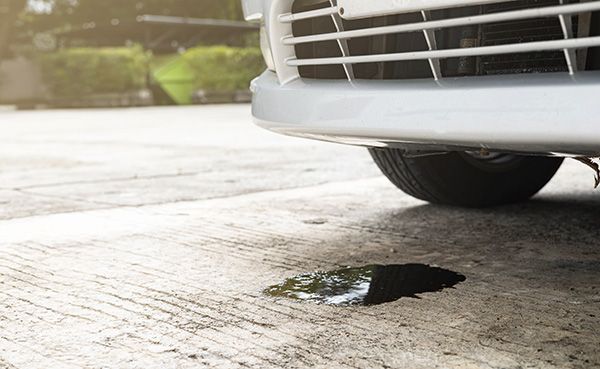
An oil puddle can look dramatic, yet the source is not always where the drip lands. Oil can run along the engine, collect on shields, and drip from an edge that’s nowhere near the original leak. That is why guessing the leak source by the spot on the driveway often leads to the wrong repair.
If you want to fix it once, the first step is narrowing down where the oil is actually escaping.
Why Oil Leaves Puddles After Parking
When you shut the engine off, oil drains back into the pan and pressure drops. That change can make certain leaks more noticeable , especially leaks that happen at gasket seams or around sealing surfaces. If oil is already sitting on an engine surface, parking gives it time to drip and form a puddle.
Heat also plays a role. Right after a drive, oil is thinner and flows more easily, so a leak can drip faster. Then it cools and thickens, which can slow the drip even though the leak is still there. This is why some cars leave a puddle after a longer drive, but not after a short trip.
Common Leak Sources We Check First
Valve cover gaskets are a frequent culprit because they sit high and oil can travel a long way before it hits the ground. Oil filter housings and filter seals are also common, especially if the leak began after recent service. The oil pan gasket and drain plug area can drip directly onto the ground, but they can also be unfairly blamed because everything eventually runs to the bottom.
Front and rear crank seals are another possibility. A front seal leak can sling oil onto pulleys, and then it drips from the lower front area. A rear seal leak often shows up near the seam between the engine and transmission and can look like a pan leak. During an inspection, we look for fresh wetness and trace patterns, not just grime.
How To Tell If It Is Engine Oil
Engine oil is usually amber to dark brown, depending on age, and it tends to feel slick. If it’s very dark and thick, it may be overdue for service, but color alone does not identify the source. You can place a piece of clean cardboard under the engine overnight to see where it drips and how much.
Smell can help too. Oil that lands on a hot surface can smell sharp and burnt, and sometimes you’ll notice that smell after parking. If you see smoke from under the hood or smell burning oil strongly, that usually means oil is reaching a hot component. That is a good reason to get it checked sooner.
Why Driving With A Leak Gets Expensive
A small puddle can represent a bigger problem than it looks because it may mean the oil level is dropping between checks. Low oil reduces protection in high-contact areas and can accelerate wear. Even if you top off, the leak can spread oil onto belts and rubber parts, shortening their life.
Leaks also make it harder to spot new problems. Once the underbody is coated, fresh seepage blends in and hides the true source. Fixing the leak early is often cheaper because it can mean a gasket or seal instead of secondary issues like belt damage or a low-oil situation.
What You Can Check Safely At Home
Start with the basics and keep it simple. Check the oil level on level ground when the engine is off and has had time to drain back. If the level is below the safe range, top off with the correct oil so you protect the engine until the leak is repaired.
A few safe checks that help you describe the problem clearly:
- Note whether the puddle forms after long drives or even short trips
- Look for fresh wet oil around the oil filter area from above if it is visible
- Check whether the drip is near the front, center, or rear of the engine bay
- Pay attention to the burning smell after parking
- Look for oil spots on the splash shield or lower cover if you can see it
Avoid crawling under the car on an unsafe surface. If the leak is heavy or the oil level keeps dropping, it is better to get it inspected rather than keep guessing. A quick check at the right places saves time and prevents the wrong repair.
How We Trace The Leak In The Shop
We start by confirming the fluid and cleaning key areas so the leak path is visible. Then we look at common leak points based on engine design and where oil is collected. In some cases, a dye test helps reveal a slow leak that only shows after driving.
We also look for the reason the leak started. A clogged PCV system can increase crankcase pressure and push oil past weak seals. A loose filter, damaged sealing surface, or wrong gasket can do it too. The goal is to stop the leak and make sure it does not come back for the same reason.
Get Oil Leak Repair In Easton, PA, With Jeff's Automotive, Inc
If you are seeing oil puddles after parking, Jeff's Automotive, Inc in Easton, PA, can trace the source accurately and recommend the repair that makes the most sense for your vehicle.
We will also check the oil level, look for related seepage points, and explain what is urgent versus what can be scheduled. Set up a visit when you are ready, and you will leave with a clear plan instead of a driveway full of guesses.
10 Most Frequently Asked Questions About Oil Leaks
1. Is It Safe To Drive If My Car Is Leaking Oil?
Answer: It depends on how fast the oil level is dropping. If you have to top off often, smell burning oil, or the oil light comes on, get it checked ASAP.
2. How Can I Tell If The Puddle Is Engine Oil Or Something Else?
Answer: Engine oil feels slick and ranges from amber to dark brown.
3. Why Does Engine Oil Leak More After A Long Drive?
Answer: Oil gets thinner when hot, so it can seep faster through weak seals and gaskets. After you park, it has time to drip and collect into a puddle.
4. What Is The Most Common Oil Leak Source?
Answer: Valve cover gaskets and oil filter housing seals are common because they sit higher and oil can travel before it drips.
5. Can An Oil Change Cause A Sudden Leak?
Answer: Yes, especially if the filter seal is pinched, the drain plug sealing surface is damaged, or the wrong gasket is used. It can also reveal an older leak that was already starting.
6. Why Is There An Oil Smell But No Big Puddle?
Answer: Oil can drip onto hot exhaust parts and burn off before it hits the ground. That creates a sharp, burnt smell and sometimes light smoke in the cabin.
7. How Often Should I Check The Oil If I Suspect A Leak?
Answer: Check it every few days until you know how fast it is dropping. Always check on level ground when the engine is off and has had time to cool down.
8. Can A Small Leak Turn Into An Expensive Repair?
Answer: Yes, mainly if it leads to low oil or oil contaminating belts and rubber components. Catching it early keeps the repair simpler and cheaper.
9. What Should I Do If I See The Oil Light Come On?
Answer: Pull over safely and shut the engine off as soon as you can. The oil light can mean low oil pressure, and driving with low oil pressure can cause catastrophic engine damage.
10. Will Stop-Leak Additives Fix An Oil Leak Problem?
Answer: They can sometimes reduce seepage temporarily, but they don't solve the real cause and can create other issues. A proper repair means locating the source and fixing the failing seal or gasket