Posted on 1/30/2026
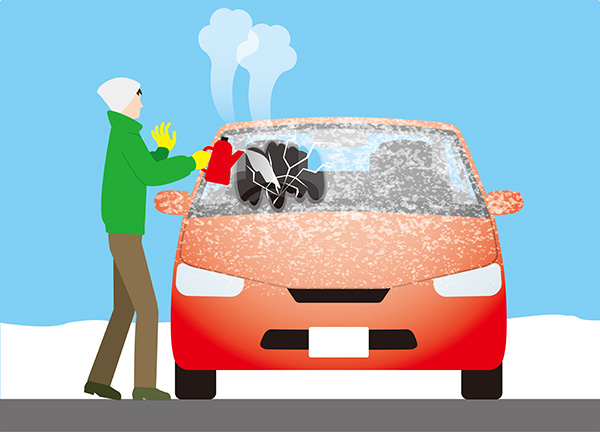
You can have a full tank of gas, fresh tires, and a perfectly running engine, and a thin sheet of ice can still ruin your morning. It always seems to happen when you are already running behind, and you start making quick decisions that feel harmless in the moment. A lot of windshield damage, torn wipers, and foggy visibility issues start right here, in that rushed five-minute scrape. If you want your glass, wipers, and defroster to last, there are a few moves that help, and a few that quietly cause expensive headaches. Why Windshield Ice Is Harder On Your Car Than You Think Ice is not just a visibility issue, it is a stress test for your glass, wipers, and defroster. When temperatures swing, your windshield expands and contracts, and that makes small chips and tiny cracks more likely to grow. Ice also bonds to rubber, so wiper blades can stick to the glass and tear when you force them loose. Even your HVAC system feels it. A weak battery, low coolant, or a blower m ... read more
Posted on 12/19/2025
If you have ever changed a flat on the shoulder or waited for a tow truck with traffic flying past, you know how exposed the roadside feels. For the technicians, police, firefighters, and highway workers who stand there all day, that risk never really goes away. AAA’s “Slow Down, Move Over” message is about one simple idea: give those people more space and less speed so everyone can get home alive. Why “Slow Down, Move Over” Exists in the First Place AAA data show that thousands of people are hit while standing outside disabled vehicles each year, and hundreds are killed, including tow operators and first responders. A national factsheet from AAA notes that roughly one roadside worker loses their life about every two weeks while helping someone on the shoulder. A campaign piece for the 2025 Slow Down, Move Over partnership points out that when pedestrian incidents are included, roadway deaths at the roadside exceed 700 every year ... read more
Posted on 11/28/2025
A lit dashboard warning light can make any drive tense, especially in a Jaguar, where dozens of systems talk to each other. Some warnings require immediate attention, while others instruct you to stop immediately. The key is knowing which is which. Here are seven of the most common Jaguar warning lights you will see and what to do in each case. 1. Check Engine Light This amber engine icon flags anything from a loose gas cap to a failing sensor or misfire. If the light is steady and the car drives normally, you can usually continue, but schedule an inspection soon to prevent bigger issues. If the light flashes, misfires are likely. Ease off the throttle and avoid hard acceleration, since raw fuel can damage the catalytic converters. A scan of live data and stored codes points directly to the cause. 2. Battery Or Charging System WarningA re ... read more
Posted on 10/31/2025
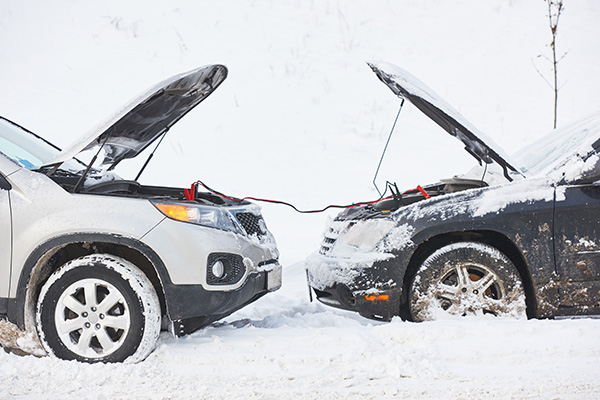
Cold weather can be tough on your vehicle’s battery. If your car has ever struggled to start on a chilly morning, you’ve seen firsthand how dropping temperatures affect performance. Fall is the perfect time to get ahead of potential problems before winter hits. A weak battery might still crank your engine during warmer months, but once the temperature drops, that same battery could leave you stranded. Here’s how to prepare your battery for cold weather and avoid surprises when you need your car the most. Why Batteries Struggle in Cold Weather Car batteries rely on a chemical reaction to generate electricity. When the temperature falls, that reaction slows down, reducing the battery’s ability to produce power. At 32°F, a battery loses about 20% of its strength. By the time it hits 0°F, it can lose more than half. Meanwhile, your engine oil thickens, and electrical demands increase with things like the heater, defroster, and headlights ... read more
Posted on 9/30/2025
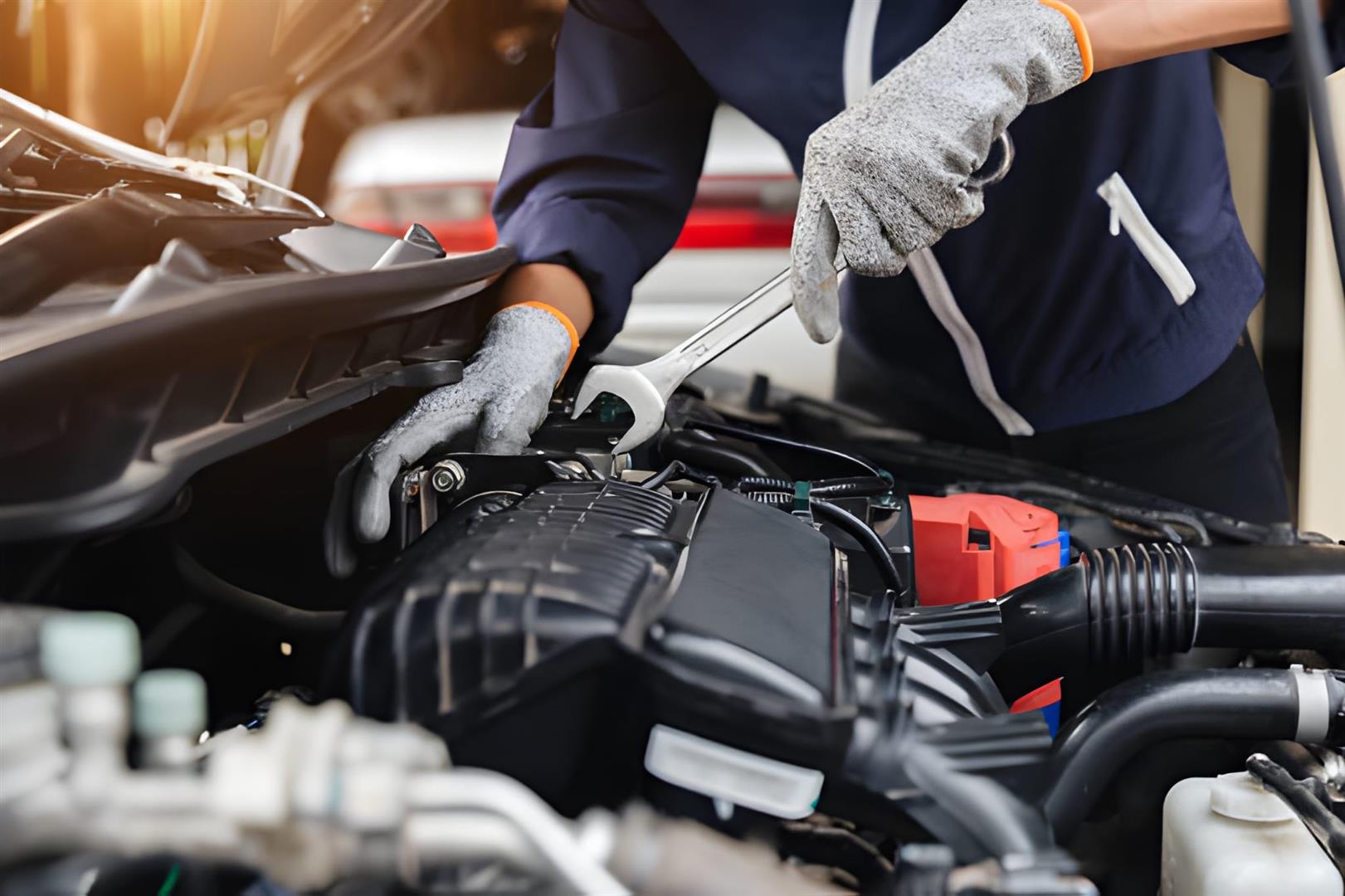
Introduction Mid-Missouri’s fall season is beautiful golden leaves, crisp air, weekend drives down Highway 54, and pumpkin patches with the family. But fall also brings real driving challenges: shorter days, slippery leaves, foggy mornings, and more wildlife crossing rural roads. That’s why it's a great time to talk about a piece of car tech you might not even realize your vehicle relies on, Advanced Driver Assistance Systems, or ADAS. If your vehicle was made in the last 10 years, chances are it has one or more ADAS features: backup cameras, lane departure alerts, adaptive cruise control, blind spot monitoring, or even automatic emergency braking. All these systems depend on precise calibration to do their job properly and seasonal shifts in weather, lighting, and visibility make that calibration even more critical. At The Auto Shop in Jefferson City, MO, we’re known for our personal touch and top-notch tech. And that includes full-service ADAS calibration. He ... read more