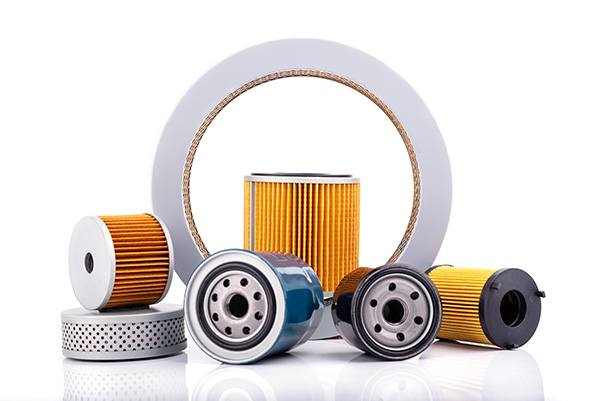
Filters are easy to forget because they do their work quietly. You do not see them cleaning the air, fuel, or oil while you drive. You only notice them when the car starts smelling musty, losing power, using more fuel, or acting like it has not been serviced in too long.
That is why filter service should not be treated like a small extra. Your vehicle depends on clean airflow, clean oil, clean fuel, and clean cabin air. When filters get clogged or ignored, the effects can spread into performance, comfort, and long-term wear.
1. Engine Air Filter
The engine air filter keeps dirt, dust, leaves, and debris from entering the engine. Your engine needs a steady flow of clean air to burn fuel correctly. When the filter gets packed with debris, airflow can become restricted, and the engine has to work harder than it should.
A dirty engine air filter can lead to weaker acceleration, lower fuel economy, and rougher performance. On some vehicles, it can also affect sensor readings because the engine is no longer receiving air as it expects. The filter may look like a simple paper or fabric element, but it plays a real role in how efficiently the engine runs.
Driving conditions make a big difference here. Dirt roads, construction zones, heavy pollen, and stop-and-go traffic can all shorten filter life. If the car feels less responsive or the filter looks dark and loaded with debris, replacing it is a simple way to help the engine breathe properly again.
2. Cabin Air Filter
The cabin air filter cleans the air that comes through the heating and A/C vents. It catches dust, pollen, leaves, and small debris before they blow into the cabin. When it gets clogged, the first thing many drivers notice is weaker airflow from the vents.
A dirty cabin filter can also create musty smells, louder blower motor noise, and slower defrosting. That becomes annoying fast during rain, cold mornings, or hot summer drives. If the windshield takes longer to clear or the A/C does not seem to push air like it used to, the cabin filter deserves a look.
This filter does not affect engine power, but it affects comfort and visibility. It also helps protect the blower motor from having to work harder than necessary. Replacing it on time is one of those regular maintenance items that makes the car feel cleaner and more comfortable every day.
3. Oil Filter
The oil filter protects the engine by trapping fine particles, metal debris, and contamination that collect in the oil. Engine oil has a hard job. It lubricates moving parts, helps control heat, and carries debris away from internal surfaces. The filter keeps that debris from circulating again and again.
If the oil filter is of poor quality, clogged, or left in service too long, oil flow and oil cleanliness can suffer. That is not something you usually feel right away from the driver’s seat. The risk builds inside the engine, where timing components, bearings, camshafts, and oil-controlled systems depend on clean oil moving at the right pressure.
That is why the filter should be replaced with every oil change. Skipping it defeats much of the purpose of fresh oil. The right oil filter matters too, because it needs to fit correctly, filter properly, and hold up for the full service interval.
4. Fuel Filter
The fuel filter helps keep dirt, rust, and tank debris from reaching the engine’s fuel system. Some vehicles have a serviceable fuel filter that should be replaced at certain intervals. Others use a filter built into the fuel pump module, which is less commonly serviced unless there is a problem.
When a fuel filter becomes restricted, the engine may not get enough fuel under load. Drivers can notice hesitation, weak acceleration, hard starting, stalling, or a car that feels fine at low speed but struggles when more power is needed. These symptoms can overlap with other fuel or ignition problems, so testing is important before replacing parts.
Fuel filters are especially important because modern fuel injectors rely on clean fuel and precise spray patterns. Contamination can affect performance and fuel economy, and in some cases, it can lead to more expensive fuel system repairs.
How Filter Problems Affect Efficiency
A clogged filter does not always stop the car from driving. That is part of the problem. The vehicle keeps going, but it may use more fuel, feel weaker, circulate dirty air, or put extra strain on nearby components.
Filter neglect can also hide behind other symptoms. Poor airflow can feel like an A/C problem. A dirty engine air filter can feel like a performance issue. A restricted fuel filter can feel like ignition trouble. A proper inspection helps separate a simple maintenance need from a larger repair.
When To Replace Your Car Filters
Filter replacement depends on mileage, vehicle design, driving habits, and local conditions. A car driven mostly on clean highways will not load filters the same way as one driven through dust, leaves, pollen, traffic, or construction areas. Service history also matters because many used vehicles come with unknown maintenance records.
The best approach is to check filters during routine service and replace them when they are dirty, restricted, or due by schedule. Waiting until symptoms appear usually means the filter has already been overdue for a while. Staying ahead of these small parts helps the car stay cleaner, more efficient, and easier to maintain.
Get Filter Replacement Service In Easton, PA, With Jeff's Automotive, Inc
If your vehicle is due for filter service, Jeff's Automotive, Inc in Easton, PA, can check the engine air filter, cabin air filter, oil filter, and fuel filter needs based on your vehicle and driving conditions.
To keep your car running cleaner and more efficiently, contact us to schedule an appointment.