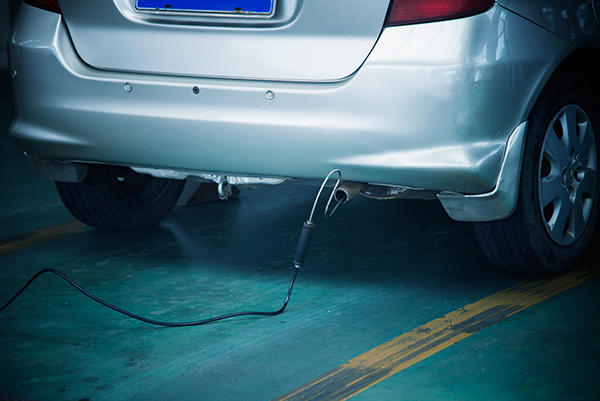
Pennsylvania state inspections and emissions testing can feel stressful when you are not sure what the shop is looking for. Your car might drive fine around town, start every morning, and still have a problem that keeps it from passing. That is what catches many drivers off guard.
The purpose of these checks is not to make life harder for drivers. They are meant to catch safety and emissions problems before they become bigger issues on the road. If you know the most common failure points, you have a better chance of handling them before inspection time becomes a headache.
Worn Tires Or Uneven Tread Wear
Tires are one of the first things that can cause a vehicle to fail. If the tread is too low, the tires are damaged, or the wear pattern is uneven enough to raise concern, the car may not pass. Cracks, exposed cords, sidewall bubbles, or mismatched tire conditions can also be a problem.
Uneven tire wear usually points to something else going on as well. Alignment problems, worn suspension parts, low tire pressure, or neglected rotations can all shorten tire life. If one tire looks much worse than the others, the tire itself may not be the only issue that needs attention.
Brake Problems That Affect Safety
A vehicle’s brakes must be in safe working order. Thin brake pads, damaged rotors, leaking brake lines, seized calipers, weak parking brake operation, or a brake warning light can all create trouble during a Pennsylvania state inspection. The car might still stop, but that does not mean the system is healthy enough to pass.
Brake symptoms are worth checking before the visit. Squealing, grinding, vibration, pulling while braking, or a pedal that feels soft can all point to worn or failing parts. Waiting until the inspection date can turn a simple brake repair into a rushed repair.
Lights, Signals, And Visibility Issues
Exterior lights are simple but common failure points. Headlights, brake lights, turn signals, reverse lights, license plate lights, and hazard lights all need to work correctly. A single burned-out bulb can be enough to create a problem.
Visibility items count too. A cracked windshield in the wrong area, weak wiper blades, washer fluid that does not spray, or damaged mirrors can all affect whether the vehicle passes. These are easy things to overlook because they do not always change how the car drives.
Check Engine Light And Emissions Problems
For emissions testing, the check engine light is a big concern. If the light is on, the vehicle has stored a fault in a monitored system. That can involve oxygen sensors, fuel trim, EVAP leaks, misfires, catalytic converter performance, airflow readings, or other emissions-related parts.
Clearing the light right before testing is not a smart shortcut. The computer may need time to complete readiness monitors before the vehicle can be tested properly. If the monitors are not ready, the vehicle may not pass or may not be accepted for testing. A proper scan and inspection can reveal what caused the light, rather than just hiding it for a short time.
Exhaust Leaks Or Emissions System Damage
The exhaust system has to be secure and working correctly. Rusted pipes, loose hangers, damaged mufflers, leaking connections, or missing emissions components can all create issues. Exhaust leaks can affect noise, safety, and emissions readings.
Catalytic converter problems can be especially expensive if they are ignored. Sometimes the converter is the failed part, but other times it is damaged by misfires, oil burning, coolant burning, or poor fuel control. Fixing the cause matters because replacing the converter without solving the reason it failed can lead to the same problem again.
Suspension And Steering Wear
Suspension and steering parts help keep the vehicle controlled and predictable. Worn ball joints, tie rods, control arm bushings, struts, shocks, wheel bearings, or steering components can all create failure concerns. Drivers may notice clunks, looseness, pulling, vibration, or uneven tire wear.
Some of these problems build slowly. The car may still feel normal because the driver has gotten used to the change. Regular maintenance helps catch suspension and steering wear before inspection time and before the worn parts start affecting tire wear, alignment, and braking feel.
Fluid Leaks And Other Safety Concerns
Fluid leaks can also cause problems, depending on what is leaking and how severe it is. Brake fluid, fuel, coolant, oil, power steering fluid, and transmission fluid all deserve attention. A small seep may not feel urgent to the driver, but an active leak can affect safety, reliability, or emissions.
Other issues can include horn problems, seat belt concerns, damaged structural components, missing fuel caps, warning lights, or loose parts underneath the vehicle. The details depend on the vehicle’s condition, but the pattern is the same. If something affects safety or emissions, it can become a reason the car does not pass.
Get State Inspection And Emissions Service In Easton, PA, With Jeff's Automotive, Inc
If your vehicle is due for Pennsylvania state inspections and emissions testing, Jeff's Automotive, Inc., in Easton, PA, can check for common failure points and help you handle needed repairs before they cause more stress.
To schedule your next inspection and emissions service, contact us to make an appointment.